Arctic Meltdown: Implications for Geopolitics and Corporate Strategy
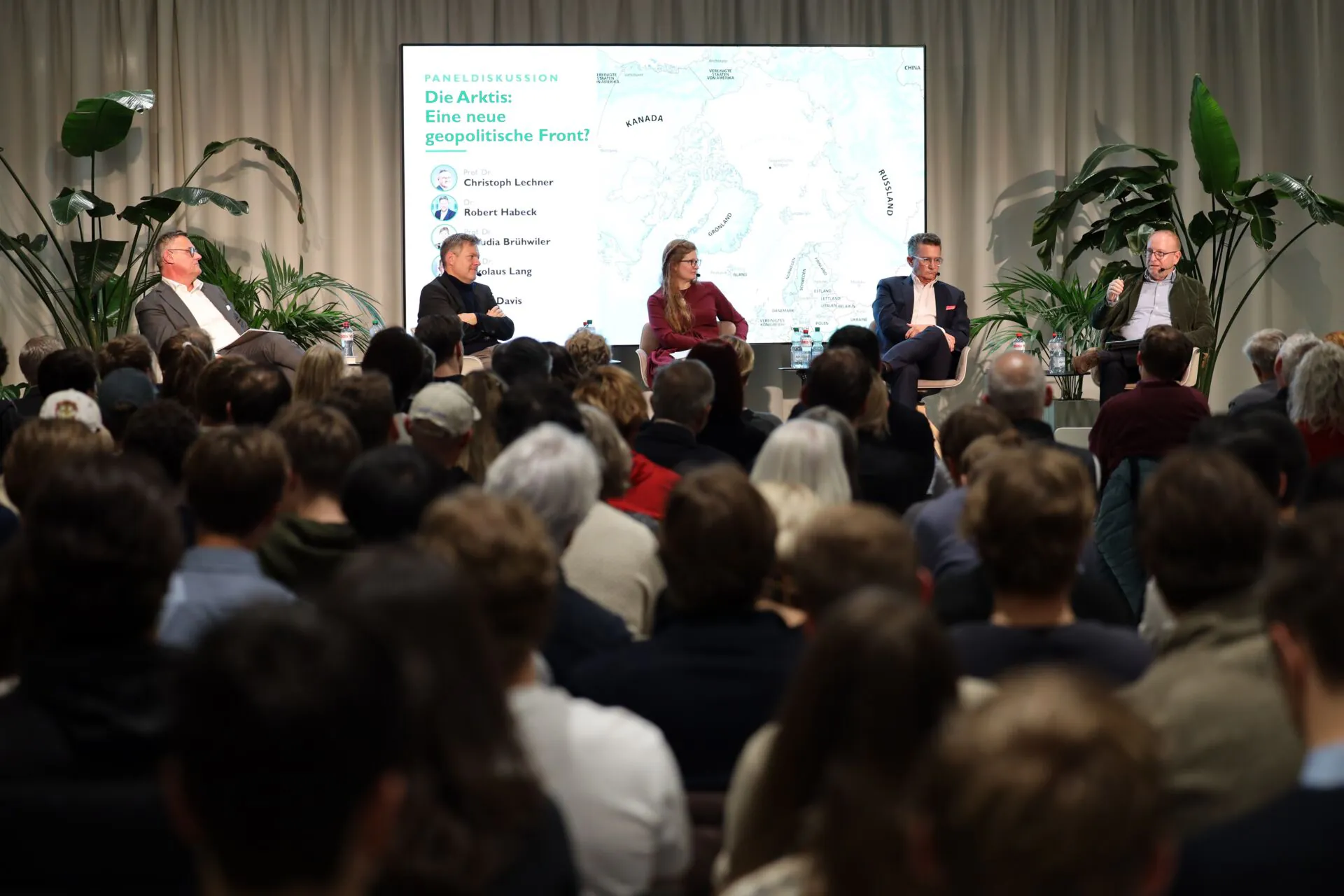
How is the Arctic’s transformation reshaping international competition, and what does this mean for business? On 12 November 2026, the Center for Geopolitics and Corporate Strategy brought these questions to SQUARE at the University of St.Gallen.
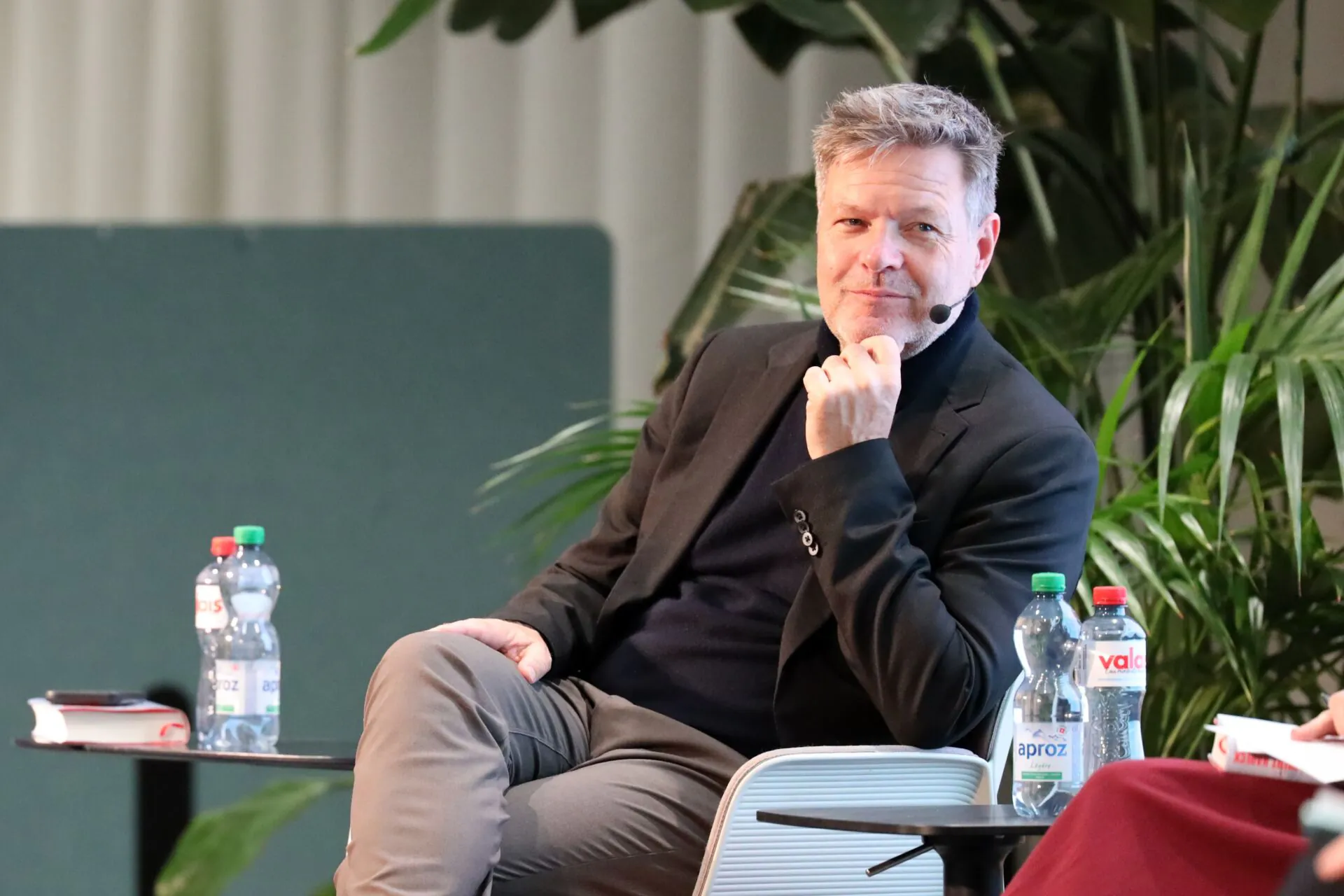
The panel discussion, “The Arctic: A New Geopolitical Front?”, brought together Robert Habeck, Germany’s former Vice-Chancellor and author of Arctic Meltdown; James Davis and Claudia Brühwiler from the University of St.Gallen; and Nikolaus Lang from BCG. Prof. Christoph Lechner, co-founder of the Center, hosted and moderated the event as part of its Speakers Series.
The evening was framed around the connections between environmental change, geopolitical rivalry and economic interests in the High North. Its agenda spanned the ambitions of the United States, Russia and China, Greenland’s strategic position, and Europe’s capacity to act in an increasingly contested region. Military capabilities, hybrid threats and the prospects for international cooperation formed part of this broader security picture.
For business, the questions were equally concrete. How might changing Arctic shipping routes affect global trade and existing transport networks? What opportunities and risks accompany access to energy and critical minerals? And how should companies assess these developments alongside ecological pressures and the interests of Arctic communities?
These questions connect developments in the Arctic directly to corporate decisions on supply chains, resource security and investment. They also illustrate why companies in Switzerland and across Europe need to assess geopolitical change beyond their immediate markets.
By bringing political, security and business perspectives into the same discussion, the event continued the Center’s work on the relationship between geopolitics and corporate strategy.